The word Purushārtha means human goals. In our spiritual texts, the word is also used in other senses — sometimes it refers to free will, and at other times to effort, endeavor, or deliberate choice. However, its primary meaning is the ultimate goals or destination of human life.
Moksha Purushārtha : Freedom from desires, attachment, fear, sorrow, and the cycle of birth and death. Freedom from slavery regarding “preya”s (personal like and dislikes)
Any object in the world can enslave us in two ways.
- By the very absence of that object in our life. We feel emptiness, we feel vacuum, we feel worthless thus enslaved.
- By the very presence of that object, it can create a burden or strains and tensions.
This slavery regarding external goals or preyas goals is bondage. So, Moksha is that state where we are comfortable with or without things. The inner strength, inner maturity or inner mastery is called Moksha.
The first three are secondary purushartha, the last one alone is primary or Shreyas purushārtha.
In Preyas slavery continues. In Shreyas we are no longer slaves of anything.
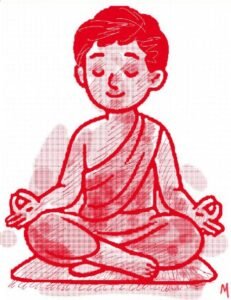
In our tradition, Moksha is the highest and final goal of life. Moksha is the realization of one’s true nature, as the immortal Atman, free from ignorance, ego, and bondage. Moksha is not an escape from life but flowering of life in its highest form.
To attain a state of liberation, three things are required: The first is human birth, which we already have achieved, second is self-effort, purushārtha, and third is the Ishwar Anugrah – Bhagwān’s grace.
It is our responsibility to pursue our worldly or material goals of Artha and Kama within the boundaries of Dharma. Following this path while we fulfill our needs and desires, we will purify our mind. We will cultivate values. We will learn to discern between Atmā (real) and Anātmā (unreal). We will learn to have dispassion about worldly objects. We would learn to control our senses and mind. We will turn inward. The purified mind and upāsanā raise curiosity and thirst for knowledge. One becomes ready for the final path to Moksha.
Moksha is the inner freedom while living in the world. Moksha is living in constant joy, loving all, and serving all. It is a culmination of purushārtha and fulfillment of human destiny.
Our Gurus have taught that the path to Moksha involves:
Dhyāna (steady meditation)
Viveka (discrimination between the Real and unreal)
Vairāgya (detachment from ephemeral pleasures)
Sevā (selfless service)
Bhakti (devotion to Bhagwān)
— Sanjay Mehta
Back to Purushārtha and Āshram Vyavasthā (System) – in Hindu Philosophy